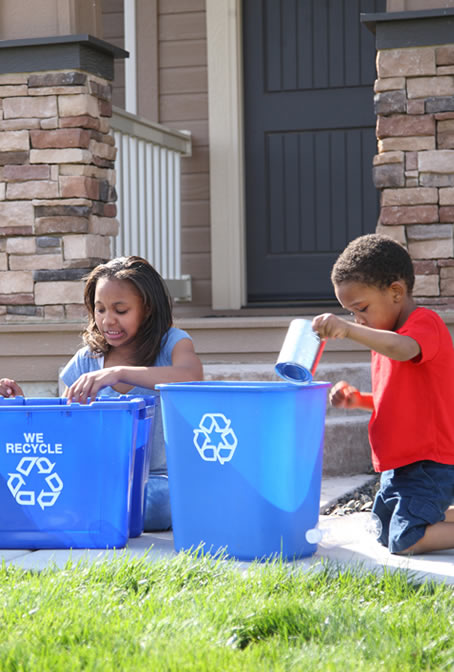
| June is a month of reflection and celebration. As communities across Connecticut recognize both Pride Month and Juneteenth, it is an opportunity to think about the ways environmental, racial, and social justice are connected. At first glance, these topics may seem unrelated to recycling, composting, and waste reduction. But all of these movements share a common goal: creating healthier, stronger communities where everyone has the opportunity to thrive. Environmental justice is the idea that everyone deserves access to a healthy environment, regardless of their race, income, identity, or zip code. Where we live can have a major impact on our health and quality of life. Some communities have greater access to parks, trees, clean air, and healthy food, while others face higher levels of pollution, flooding, extreme heat, or other environmental challenges. Environmental justice recognizes that these differences matter and that everyone deserves the same opportunity to live, work, learn, and play in a healthy environment. While environmental justice is often discussed in relation to air quality, water quality, and public health, it is also connected to the way we manage resources and reduce waste. Programs like recycling, composting, repair events, reuse initiatives, and environmental education help keep valuable materials out of the trash, conserve natural resources, and reduce pollution. They can also help families save money, build community connections, and make sustainable living more accessible. Environmental justice may sound like a big concept, but it shows up in everyday ways. It’s about whether children have safe places to play, whether neighborhoods have access to shade during extreme heat, whether residents can easily participate in local recycling and composting programs, and whether community members have a voice in decisions that affect their neighborhoods. Across Connecticut, communities are finding creative ways to reduce waste while bringing people together. Repair events help extend the life of household items. Food scrap diversion programs turn waste into a valuable resource. Reuse initiatives keep usable materials in circulation and make everyday items more affordable. Community gardens, cleanup events, and educational programs help residents connect with both their neighbors and the environment. These efforts do more than reduce waste. They help build stronger, more resilient communities. As we celebrate Pride Month and Juneteenth, we’re reminded that progress often happens when people work together to create positive change. Whether the goal is protecting natural resources, reducing waste, expanding opportunity, or building more inclusive communities, these efforts are often connected. A sustainable future is about more than the materials we recycle or the waste we divert. It’s about creating communities where everyone has access to a healthy environment and the opportunity to participate in shaping it. By reducing waste, protecting natural resources, and making environmental programs accessible to all, we can help create a healthier and more sustainable Connecticut for everyone. |
| Want to learn more? Here are a few resources: CT Environmental Justice Program (CT DEEP) Connecticut Coalition for Economic and Environmental Justice Sierra Club CT – Environmental Justice |
Environmental Justice is Community Justice
Recent Posts
- Wishcycling: What is it and how can we do it less? June 30, 2026
- Environmental Justice is Community Justice June 15, 2026
- Reduce Waste at Home This Earth Day April 15, 2026
- How Do I Dispose of my propane tank? What about other gas cylinders? March 12, 2026
- Take A Virtual Tour: Quantum Organics February 17, 2026
- Can I put plastic bags in my recycling bin? January 15, 2026
- Simple Ways to Reduce Waste During the Holidays December 2, 2025
- RecycleCT Encourages Everyone to Celebrate America Recycles Day and Announces New Board of Directors November 14, 2025
- Take A Virtual Tour: Murphy Road Recycling October 9, 2025